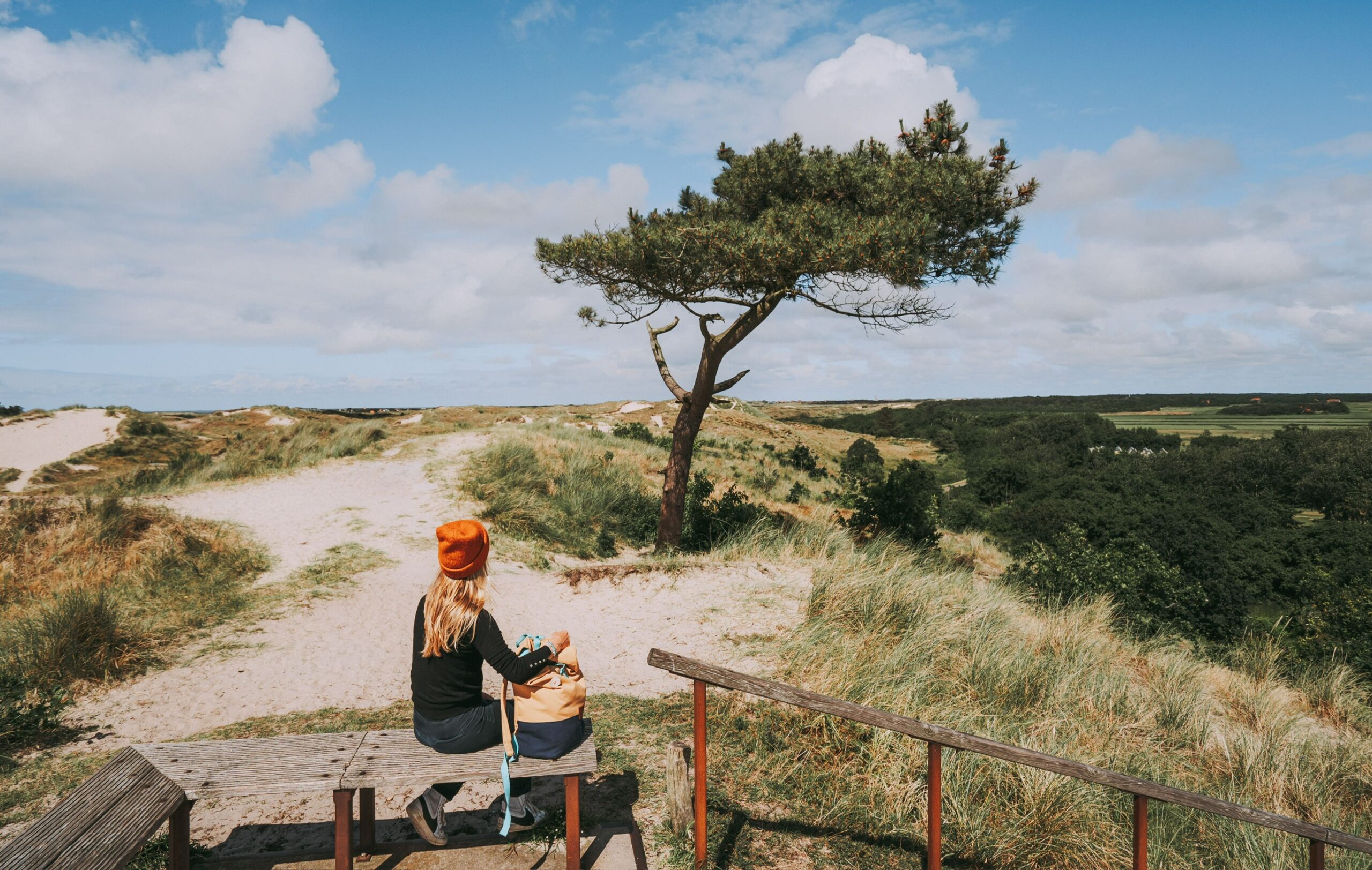
© Isabelle Renate La Poutre

Walk of Grief: A Path of Mourning on Terschelling

Grief. A winding path that remains intertwined with life. On Terschelling, that feeling has taken on a tangible form this year: the Walk of Grief. A 75-kilometer walking route that takes you along dunes, forests, and the beach in five stages. This way, loss is given space as you walk. We spoke with Anemoon and Arjan, the founders of the Netherlands’ first grief trail.

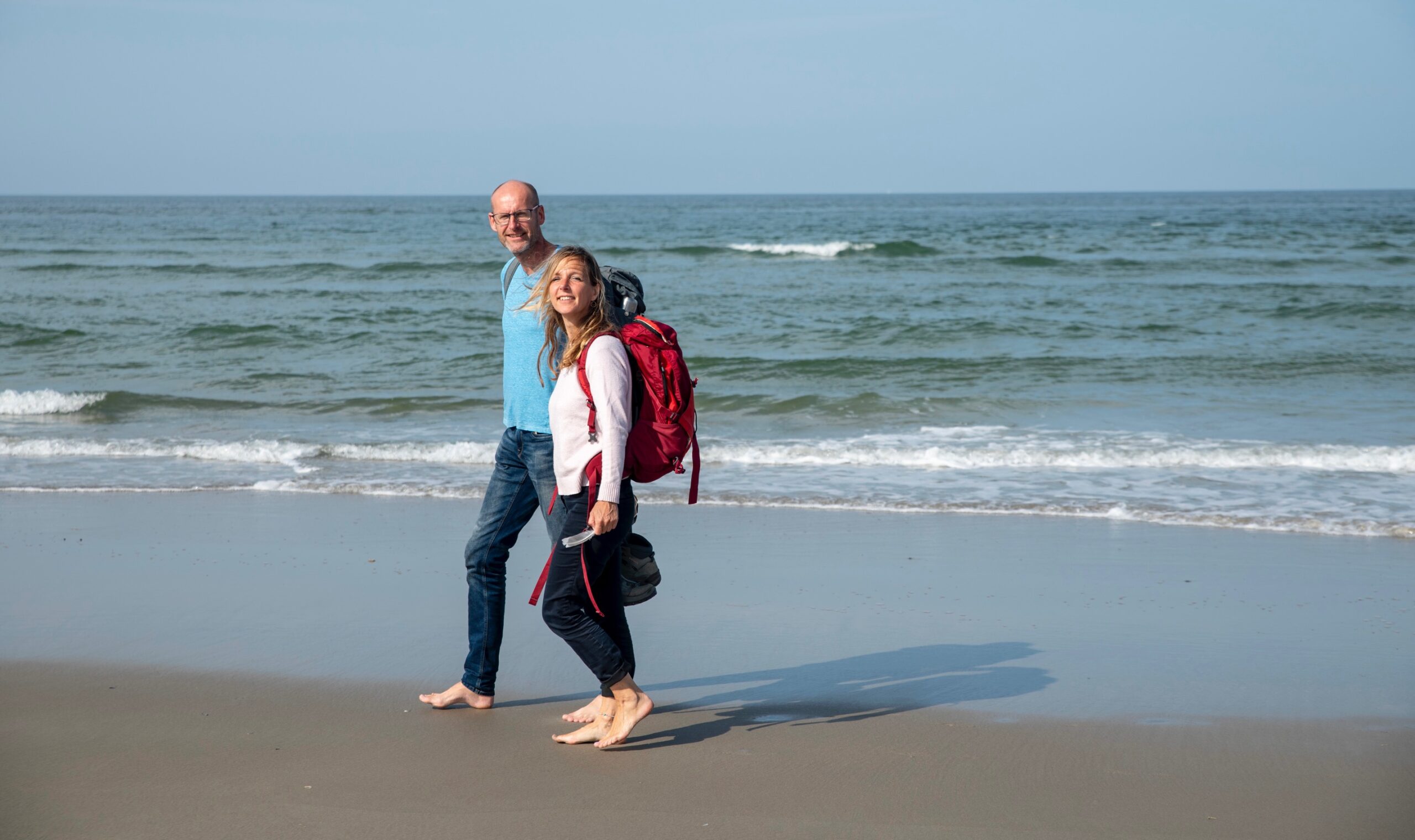
The idea came about after the death of Mees, the son of Arjan and Anemoon. “To cope with his death, we went for a walk,” Arjan explains. “That helped. We realized how important it was to spend more time outdoors in nature, but we couldn’t find a trail anywhere that was really about grief.”

Anemoon adds: “And if it’s nowhere to be found, why don’t we just make it ourselves? In our backyard, right here on Terschelling. It doesn’t get much better than that!”


© Lisa Berkhuysen - Founders: Anemoon & Arjan

The Netherlands' First Grief Path

And so the Walk of Grief was born: the first grief trail in the Netherlands. A five-stage pilgrimage that begins and ends at the iconic Brandaris. Together with islanders, fellow mourners, and experts in grief and other fields, Anemoon and Arjan designed a route that is intentionally circular. Not to reach a destination, but simply to be on the journey. “That’s the essence of grief,” Anemoon explains. “It’s never over. You carry it with you, weave it into your life. That’s why we wanted a path that felt right. We walked the route countless times, refined it, and constantly scrutinized it: Do people understand this? Does it feel right? Does it align with what you experience in grief? And before you know it, there’s a 75-kilometer route spanning the entire island.”

“Nature doesn’t judge. It’s okay to feel your emotions.”

Nature as a Healing Factor

The walk takes you past places that islanders, among others, have identified as meaningful. Such as the battered tree on Arjensduin, which, despite its broken branches, still stands tall. “That tree symbolizes exactly what grief is all about: vulnerability and resilience,” says Anemoon. “It’s no coincidence that it’s also the logo of the Walk of Grief.”

“And nature doesn’t judge,” Arjan adds. “It shows us that death and life always coexist. That’s comforting. During the walk, you see small reflections of grief everywhere—a fallen tree from which new life is sprouting, a robin that keeps following you, or a rainbow that suddenly appears. That’s still a remarkable phenomenon.”

“Grief isn’t always just about the loss of a loved one”

A Path for Everyone

From solo hikers to families or students who’ve lost a friend together. Everyone finds their place here. “Grief, by the way, isn’t always just about the loss of a loved one,” Anemoon explains. “It can also be about your job, your health, or a close friendship. The trail is for every loss you carry with you.” Walking makes it easier to bring up difficult topics. You don’t have to look at each other all the time, which allows for conversations that often feel awkward around a table. We hear this a lot from walkers, too. For others, walking the Walk of Grief alone works best. It helps you organize your thoughts without having to share anything. Yes, the Walk of Grief really is a path for everyone.”

© Isabelle Renate la Poutré

Make room for loss

For many hikers, the walk is a meaningful experience. “Our grief never goes away,” Arjan continues. “But this path makes us feel that we’re not alone. Everyone carries their own grief. The Walk of Grief gives grief space to exist instead of pushing it aside.”

Because grief has no end; the journey goes on forever…


The Walk of Grief is a 75-kilometer pilgrimage through the natural landscape of Terschelling. Is this something for you? Find out more about the
grief trail.

© Isabelle Renate la Poutré

Did you like this article?